
Flavour Theory 101: Acidity
Acids are one of the many compounds present in coffee beans. How does acidity contribute to the sourness in coffee?
28 December 2023 by Kronotrop
Flavour Theory 101: Acidity
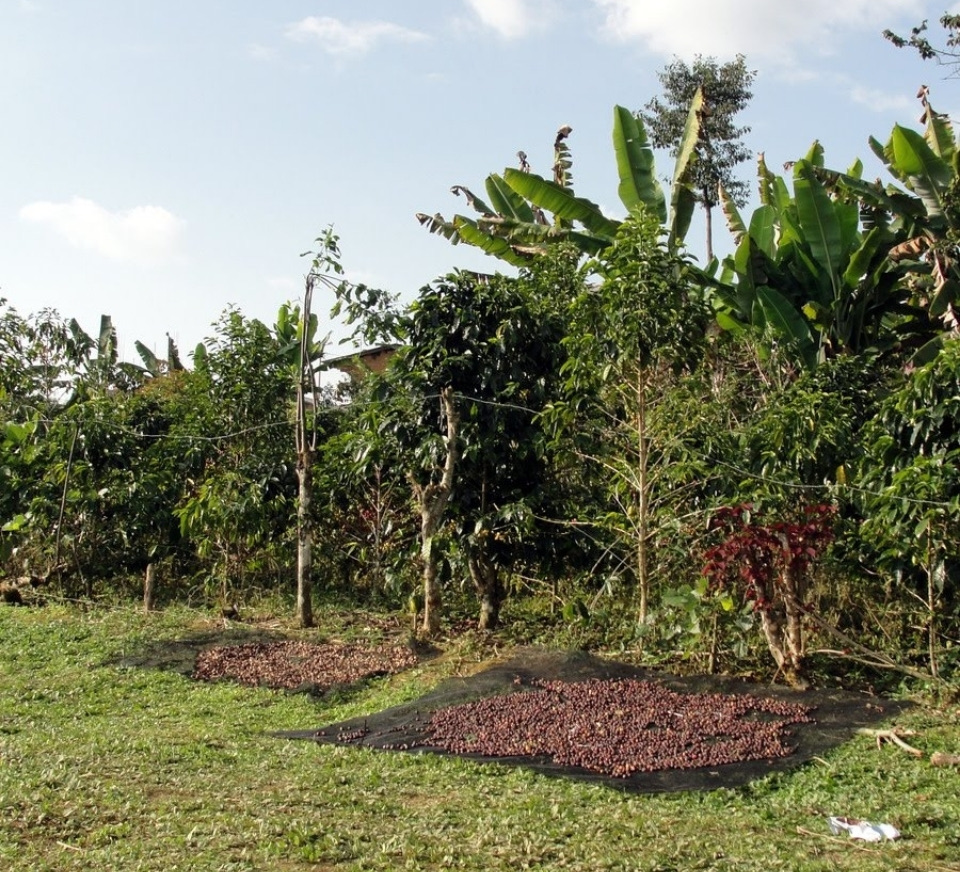
Acids are a group of many compounds found in the structure of the coffee bean. Depending on where it grows, coffee produces acids at certain levels, and the growing conditions of the variety play a part too. The beans of coffee cherries grown at higher altitudes have more acidity and more sugar. The beans of cherries grown at lower altitudes have more body, more chocolatey and caramelised notes and a softer acidity. How the acids in the structure of the coffee bean are perceived in taste and senses varies with the bean's processing method, its roast profile and the way we brew it.
For example, when quinic acid, one of the acids in the coffee bean, is out of balance or brought to the fore, it creates a tart, astringent feeling on the tongue, like eating too much quince or cornelian cherry, and can cause an unpleasant burning sensation in the stomach. This can come from the roast profile, and also from leaving brewed coffee on a hot surface for a long time.
The closest example is the home filter coffee machine: most have a heating plate under the glass carafe, and if you leave your coffee on that heat for too long, you get unpleasant results. The feature may work as a selling point, but in use it can turn into a drawback.
Does Acidity Mean Sourness?
Acids belong to the “sour” taste group, but what they bring to coffee is not just “sourness”, and not all acids create sour tastes. The right amount of balanced acidity adds a pleasant, complex richness to coffee. For example, citric acid, the best known in terms of taste, creates sour tastes, while phosphoric acid creates sweetness. Acids have a role among the elements that create the aroma in coffee.
Acids essentially recall fruity, spicy, fermented and chemical tastes. Clearly, the idea of acidity does not leave the impression of something delicious in people's minds, but this has to do with how little we examine the food and drink in our consumer habits: if you squeeze a lemon and drink the juice on its own, it is unpleasant, but add it to a salad with greens and nuts and it is delightful.
Acids cannot be defined as good or bad on their own. When assessing their presence in brewed coffee, we should think about how they make us feel. Does it harmonise with the coffee's intensity or body, its sweetness and its other flavours, or is it unpleasantly out of balance? In such assessments we leave our personal preferences aside: if we brought them in, we might not want to eat fruit every day, or we might not crave citrus aromas. We might want a coffee with a “rounder” taste. That does not make a coffee you brewed or bought with noticeable acidity bad or sour.
Which Acids Are Found in Coffee?
Coffee contains many kinds of acid: citric, malic, acetic, quinic, phosphoric, tartaric and chlorogenic acids are among the ones we know best, and all are found in coffee.
We can perceive them only as far as they have a place in our palate memory. If, when you sip your coffee, you taste an unpleasant fermented, vinegary flavour, “acetic acid” is unbalanced and dominant in your brew; if you taste something sharp, sweet and pleasant like green apple or pear, “malic acid” is present in balance. Whether you can taste all these flavours depends on whether they already have a place in your palate memory.
So How Do We Make Acids Pleasant?
If we taste unpleasant acidity, there can be many reasons, such as beans from unripe cherries or wrong decisions during roasting. But assuming the beans that are packed and reach us have been through every step correctly, how can we keep them from having “sour” or “negative” acidity?
When buying coffee beans, it is important to consider their quality, which you can associate with their price and with roasters you trust. First, we can choose beans with a medium or dark roast profile, as the roast profile affects how noticeable the acids are. Another filter is the altitude the bean was grown at and its tasting notes: if it was grown at high altitude and has a fruity flavour profile, the coffee you make from it will probably have high acidity.
Another important factor is how we “brew”, from the brewing method we choose to the brewing ratio we use. This is the more intricate part, requiring technique and knowledge. It is fun and exciting, a subject in its own right, and in the coming days we will look at it in more detail in our article “Parameters That Affect Brewing” under the title “Brewing Techniques 101”.
Other blog content